The rule
SLS 1306, in one minute SLS 1306 නීතිය
Since 1 April 2026, polymer (plastic) feeding bottles sold in Sri Lanka must meet standard SLS 1306 and carry the SLS certification mark issued by the Sri Lanka Standards Institution. Uncertified feeding bottles can no longer be manufactured, imported or sold.
Practically: if you buy a plastic feeding bottle today, look for the mark — the same shelf check we describe in the SLS mark guide. If you buy a glass feeding bottle, the rule doesn't apply — glass is outside it, exactly like the bigger wasa bothal this site is named for.
Why glass
Why grandparents were right වීදුරු ඇයි
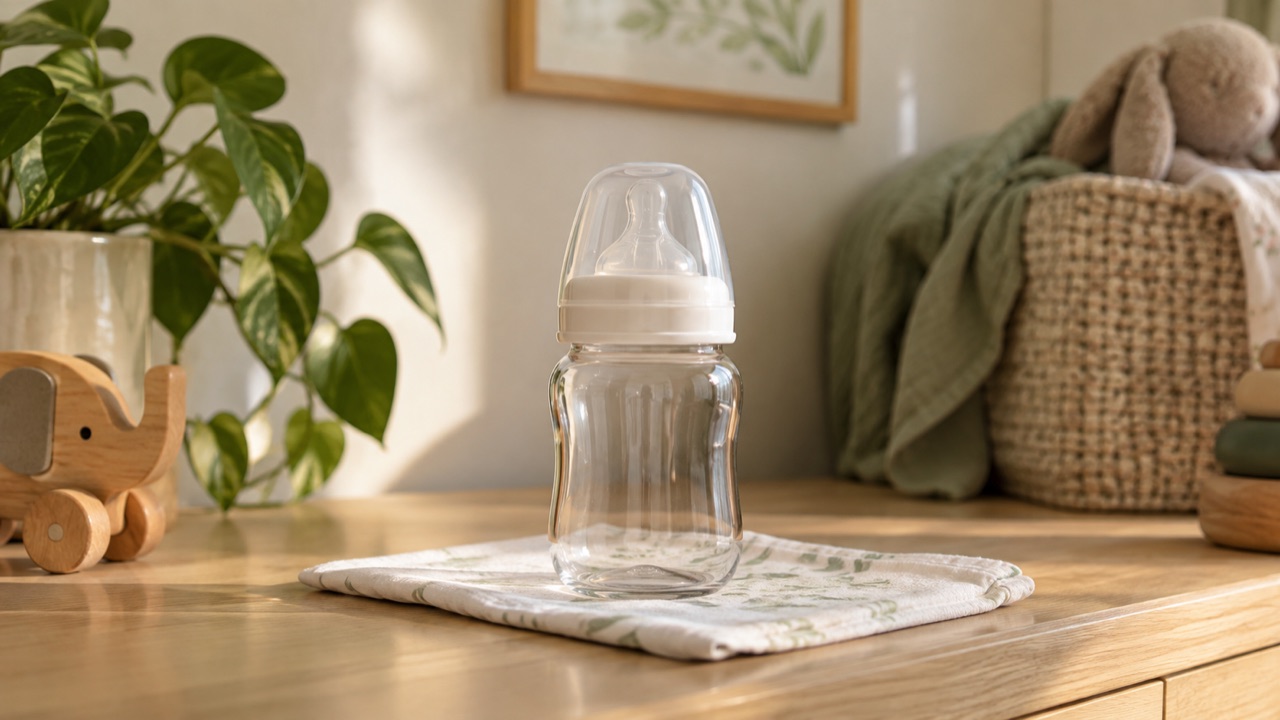
Glass feeding bottles never really left — they just waited. Three reasons parents are choosing them again:
Sterilizing without worry
Boiling water is the classic sterilizer, and glass takes it without degrading. (Warm the bottle gradually — see the care notes below.)
No scratches to trap residue
Plastic develops fine scratches over months of use and brushing; glass stays smooth and transparent for years, so you can see it's clean.
The microplastics question, removed
No polymer body, no microplastic debate — the same logic that moved school kids to glass, applied from day one. Our research summary keeps this in proportion.
Shopping list
What to look for මිලදී ගැනීමට පෙර
Where to look: search “glass feeding bottle” on Daraz — the same cash-on-delivery advice from our buying guide applies.
Daily care
Caring for a glass feeding bottle රැකවරණය
FAQ
New-parent questions නව දෙමාපිය ප්රශ්න
Do plastic feeding bottles really need the SLS mark now?
Are glass bottles too heavy for the baby to hold?
How many bottles do we need?
Where does SLS 1616 fit in?
Sorting the older kids too? වැඩිහිටි දරුවන්ටද?
School-term glass bottle picks, refreshed every January, April and September.